Water Loss inCity of Colombo Droped 34%
National Water Supply & Drainage Board – Sri Lankak
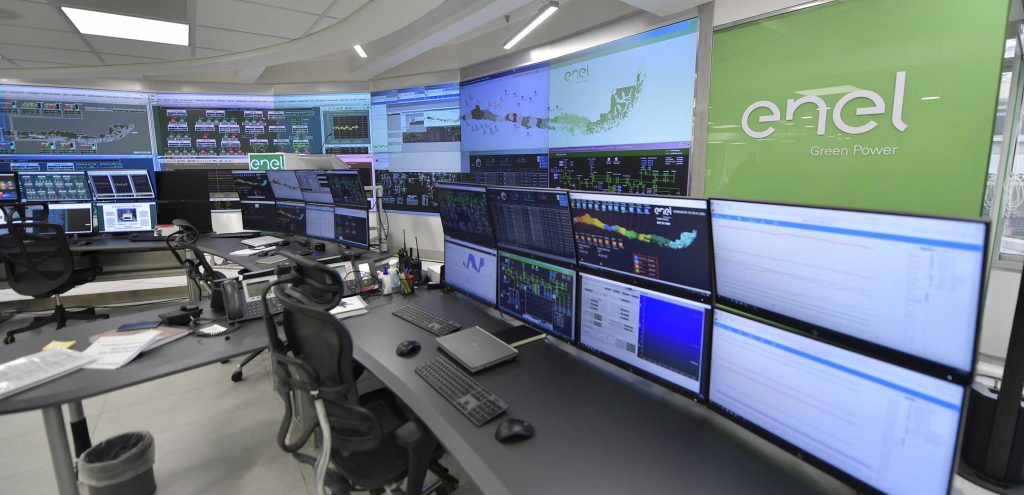
Future for Water Supply SCADA
Since 2014 ,Sri Lanka National Water Supply & Drainage Board (NWSDB) 's staff started to use bulk meter with Automatic Meter Reader (AMR) to receive the water consumption from priority clients, and futher collected large volume of water conumption data. The ability of automatically monitor the water supply network and furthermore reducing the water loss received the notice from NWSDB and Asia Development Bank (ADB). Said by NWSDB Deputy General Manager JANAKA PERARA:“We did not increase the number of staffing,however more and more meter reading task we received,therefore, automation is our future direction.”, said by Janaka Perara, Deputy General Manager from who was leading the metering automation and GIS section for NWSDB.
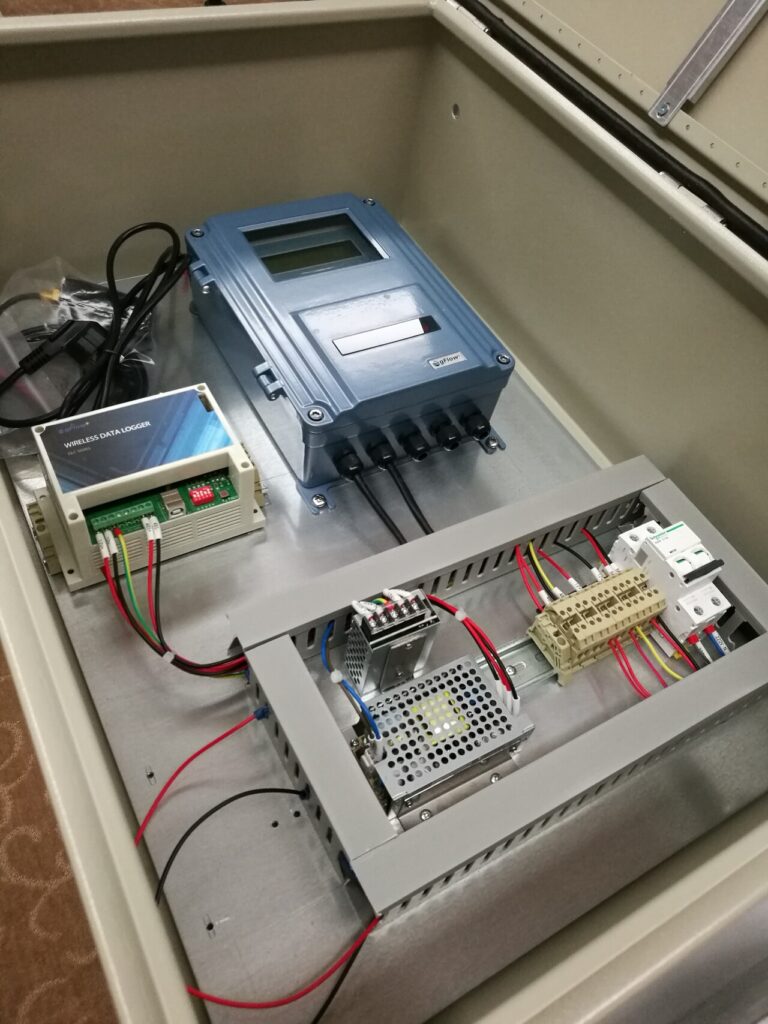
NWSDB spended large amount of time to import and update the meteringi data by spread sheet in the past, and now with the help from Gflow's Nautidata, the task and complete automatically. "We need a system can be operate from backend to automatically manage all the data without spend any human power." Said by Christian, technical advisor for NWSDB.
NWSDB has been working with Gflow since the beginnng of their first DMA project. Gflow has been focuing on the fully satifaction from project implementation to long term maintainance.
More efficient Leakage Detection
Before,NWSDB staff can only record meter reading during midnight and analyze the data manually to find out the water loss。
“With Nautilus system,we can locate the leakage 10x faster than before.” said by John Pies Christiansen:“The key is to find the leakge location as quick as possible and we need comprihensive information, it is like finding needle in ocean to find a half squear meter leakage spot when we drive the vehicle out in the city.”
“Now,we use comprehensive data to control the water loss proactively, can see the trend directly from control room instead of by staff’s experience and instinct feeling. This means we are much more efficient.”